Although I wasn’t officially diagnosed with clinical depression until later in life, struggled with it through many teen years, and eventually found relief, books about depression can be of great benefit to parents and adolescents everywhere.
The fact that these texts are written for and by teenagers themselves can provide a sense of personal authenticity and help the reader to understand the challenges they face.
Depression, even with some common indicators among those who suffer from it, isn’t a universally prevalent experience.
Thankfully, however, teen books about depression highlight this by presenting this as part of their ongoing focus on mental health.
Teenagers are often at risk for suicide when battling severe bouts of depression, but oftentimes, it is not until we as adults take notice of their struggle and reach out that they feel safe enough to approach us for assistance.
This ongoing focus on self-love and mental health is invaluable. It can give us a unique window into a child’s psyche and allow us to recognize warning signs.
Understanding Teenage Depression and Bipolar Disorder
By learning more about teenage depression, we also gain a better understanding of the mental illnesses and disorders that affect teens. One particularly troubling trend we see in this time and age is bipolar disorder and the use of certain medications for treating this condition.
Bipolar disorder is characterized by extreme mood swings and manic episodes. For parents who are concerned about their child’s mental health, this can provide a much better understanding of their child’s condition than they might have ever thought possible.
Mental Health Treatment Through Therapeutic Psychiatrist
There is another option available to parents and adolescents facing depression. Many feel that there is nothing wrong with consulting a professional psychiatrist or psychologist for advice on how best to treat their child’s depression.
If a more extensive plan involving multiple sessions with a therapist is necessary, this may help improve the parent-child relationship and open up the possibility of the parent for treating their own child’s depression.
Cognitive behavioral therapy, also sometimes referred to as CBT, can be very helpful in teaching the teenager how to deal with feelings of depression and anxiety through various forms of expression.
Overcoming Teen Depression
If the efforts to overcome depression do not feel successful, the next step is to find another method of dealing with the feelings of depression, or even to seek professional help from a mental health professional.
There are a variety of medications that can be prescribed to the patient who is determined to rid themselves of their depression. Therapy can also prove effective.
Whether it is through group sessions or individual counseling, the efforts to deal with depression will continue until the situation is resolved.
Books about depression are a great way for anyone struggling to deal with a mental illness to gain a sense of perspective and strength in their situation.
Those who have experienced suicide attempts can identify the ways they used to rationalize their suicide attempts and learn from these experiences.
This information provides people with hope for the future and an understanding of what they can do to fight depression. In some cases, these memoirs may provide a sense of relief for those who have attempted suicide.
Books Teen & Young Adult Depression & Mental Health
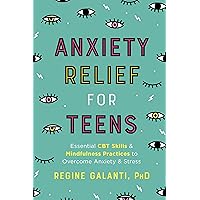
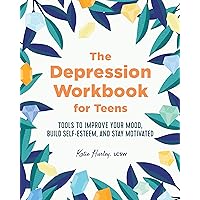


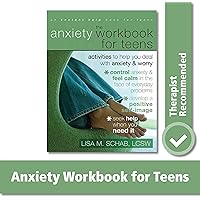
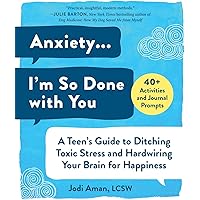

Signs of Depression in Teen Boys
Signs of depression in teen boys are more numerous than for girls. The signs to watch out for include feeling sad or worthless, a loss of interest in activities they used to enjoy like sports and hobbies, frequent thoughts about death or dying, having suicidal thoughts, being preoccupied with thoughts of violence or death, and sleeping too much.
Because these issues are usually associated with girls, it is important for parents to become aware of these symptoms as well. Depression in boys can be treated if the parents accept their son’s condition, get him help, and educate him on how to deal with his feelings of sadness and hopelessness. While there is no definite cure for depression, the symptoms can be treated to allow teen boys to lead full and productive lives.
What Causes of Depression in Teens – Discover the Reasons Teenagers Get Depressed
Are you wondering what causes of depression in teens, there are a variety of factors that cause teen depression and they can be anything from genetics, to peer pressure, to not receiving any kind of love. If this is you, then there is hope for you, because there are ways to treat the causes of depression in teens and get your teenager feeling better again. In addition, there are also ways for you to learn how to help treat teen depression so that it doesn’t keep coming back again. Here is how…
- Contact A Mental Health Provider
- Seek Out Community Resources
- Counseling/Therapy
Social Media Depression – How to Overcome the Problem
Social media depression (also known as social media addiction disorder) is characterized by the persistent, intense psychological distress that occurs even when there is no external stimuli to induce this state.
This type of distress is most commonly seen in young adults and those in their teenage years and most frequently affects individuals who spend a great deal of time on social media platforms.
While the numbers have been steadily rising over recent years, the psychological phenomenon is also affecting younger consumers as well. Social media has now become one of the most heavily socialized sites on the internet, with users creating and re-creating entire social networks around their chosen interests.
The resulting effects on human emotions are complex and pervasive, and while not always immediately obvious, they have the potential to negatively impact a person’s self-esteem and sense of self-worth.
While it may not be possible to isolate the exact causes of social media depression, there is mounting evidence that links the act of regularly using social media to depression and other emotional states.
Young adults who are extremely popular on Instagram and Facebook are more likely to develop severe depression later in life. The constant bombardment of highly vivid and moving content on these platforms can actually produce mental health issues that are difficult to control.
Those who spend an inordinate amount of time seeking out entertainment or constantly interact with groups of friends are also at high risk of developing depression or anxiety.
While it may not be possible to isolate the precise causes of social media depression, it is clear that the act of regularly using social media platforms, as well as the resulting mental health issues, can have long-term ramifications on a person’s mental health.
One of the best ways to overcome the problem of depression in this particular setting is to remain actively involved in the activities of daily life.
Many experts recommend that those suffering from depression make sure they take part in a variety of social media outlets, including but not limited to; online groups, message boards, and photo or video sharing websites.
This will help to maintain positive mental health status and will also help the individual to become reacquainted with everyday life and all the many joys and struggles that go along with it.